
When the cold months approach, everyone begins searching for the perfect winter coat. Choosing the right coat is not just about style but also about staying warm and comfortable.
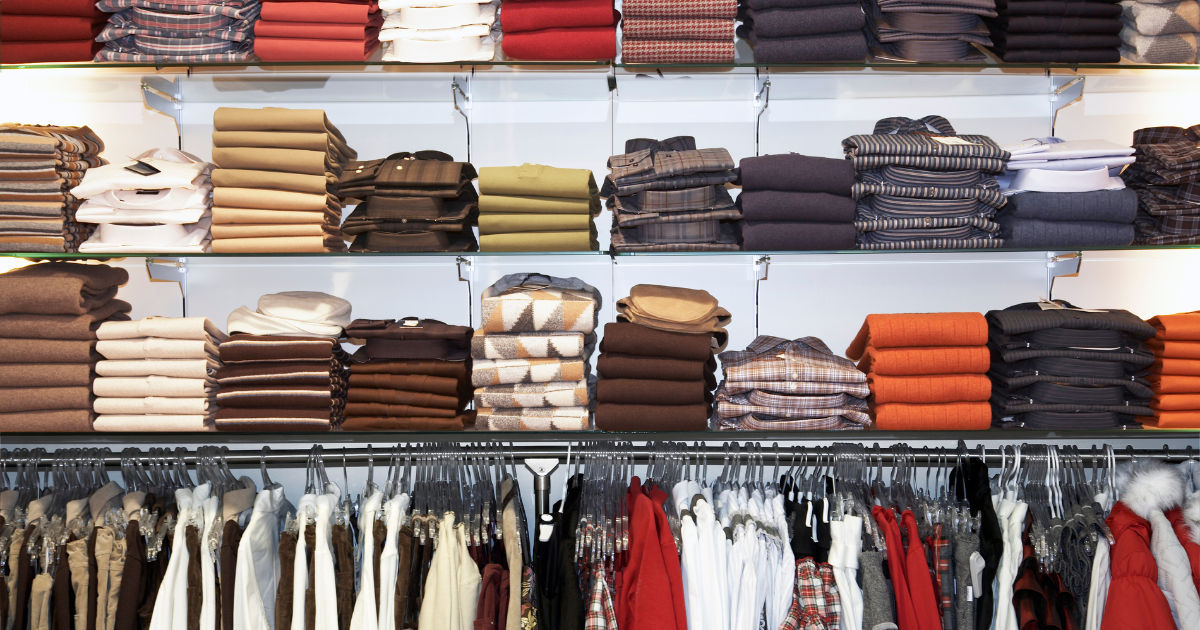
With the right winter cloths, you can face freezing temperatures without worrying about frostbite or shivering.
This comprehensive guide explores what makes a winter coat warm, the types of materials used, and how to pick the perfect coat for your needs.
Importance of Winter Cloths
Winter cloths play a crucial role in keeping our body temperature stable during cold weather. They act as a barrier against wind, rain, and snow. A proper winter coat prevents heat from escaping and shields the body from harsh conditions. The warmth of a coat depends on the material, insulation type, and design. Investing in high-quality winter cloths is essential for anyone living in regions with cold winters.
Key Features of a Warm Winter Coat
When searching for the warmest winter coat, there are several features to consider. These features ensure the coat retains heat while keeping the wearer comfortable.
Insulation
Insulation is the heart of any winter coat. It traps body heat and prevents it from escaping. There are two main types of insulation:
-
Down Insulation: Made from duck or goose feathers, down is lightweight, highly compressible, and extremely warm. It provides excellent warmth-to-weight ratio, making it one of the best choices for winter cloths.
-
Synthetic Insulation: Made from polyester fibers, synthetic insulation retains warmth even when wet. It’s often used in areas with high moisture or heavy snow because it dries faster than down.
Material
The outer material of the coat matters as much as the insulation. Water-resistant or waterproof fabrics like nylon or polyester prevent snow and rain from soaking through. Wool is another excellent option, offering natural insulation and wind resistance.
Windproof and Waterproof Features
A coat may have superior insulation, but if it allows wind or moisture inside, it will not keep you warm. Look for coats with windproof linings, sealed seams, and water-resistant fabrics. These features are crucial for staying warm during winter storms.
Length and Fit
The length of a coat affects how warm it keeps you. Longer coats covering your thighs or knees retain more body heat. Fit also matters; a coat that is too tight may compress the insulation, reducing its effectiveness. On the other hand, a loose fit allows layering underneath, increasing warmth.
Types of Winter Coats
Winter coats come in various styles and designs, each with its benefits. Understanding the different types can help you choose the warmest coat for your needs.
Parkas
Parkas are long, insulated coats, often with a fur-lined hood. They provide maximum warmth, covering the torso and upper legs. Many parkas are filled with down or synthetic insulation and are windproof and waterproof, making them ideal for extreme cold.
Puffer Jackets
Puffer jackets have a quilted design that traps heat efficiently. They are usually filled with down or synthetic fibers. Puffer jackets are lightweight yet very warm, making them popular for daily wear in winter.
Wool Coats
Wool coats are a classic choice for winter cloths. Wool fibers provide natural insulation and can trap heat even when damp. While not always suitable for heavy snow or rain, wool coats are excellent for dry, cold weather.
Trench Coats with Insulation
Modern trench coats may include insulated linings, making them stylish yet warm. While they may not provide the same level of warmth as a parka or puffer jacket, insulated trench coats are a good choice for mild to moderate winter conditions.
Down-Filled Overcoats
Overcoats filled with down offer both warmth and elegance. They are suitable for formal settings and provide excellent heat retention without being bulky.
Choosing the Right Insulation
The type of insulation significantly affects warmth. Let’s explore this further.
Down Insulation
Down insulation is known for its superior warmth-to-weight ratio. It can trap a lot of heat without adding bulk. The quality of down is measured in fill power. Higher fill power indicates better insulation. For extreme cold, look for coats with fill power above 600.
Synthetic Insulation
Synthetic insulation performs better in wet conditions. While slightly heavier than down, it retains warmth even when damp. Popular synthetic materials include PrimaLoft and Thinsulate. They are often used in outdoor winter cloths for activities like skiing or hiking.
Hybrid Insulation
Some coats combine down and synthetic insulation to get the benefits of both. The down provides lightweight warmth, while synthetic fibers are placed in areas prone to moisture for better performance.
Additional Features That Enhance Warmth
Even the best insulation may not be enough if your coat lacks the right features. Here are some additional details that can enhance warmth:
Hoods
A hood is essential for protecting your head and neck. Fur-lined or insulated hoods provide extra warmth and reduce heat loss.
Adjustable Cuffs and Waist
Coats with adjustable cuffs, drawstrings, or waistbands help trap heat inside. This feature prevents cold air from entering and warm air from escaping.
Zippers and Storm Flaps
A sturdy zipper with a storm flap prevents wind from seeping through the front of the coat. This small feature makes a significant difference in retaining heat.
Pockets
Insulated or fleece-lined pockets keep your hands warm and provide extra storage. Some winter cloths also have interior pockets for valuable items.
How to Layer for Maximum Warmth
A coat alone may not suffice in extreme conditions. Layering is key to staying warm.
-
Base Layer: Thermal or moisture-wicking clothing keeps your skin dry and warm.
-
Mid Layer: Fleece, wool, or down vests add extra insulation.
-
Outer Layer: Your winter coat acts as a shield against wind, rain, and snow.
Layering also allows flexibility. You can remove layers indoors while staying comfortable outdoors.
Winter Cloths for Specific Needs
Different lifestyles and activities require different winter cloths. Here’s a guide:
Daily Commute
For city living, a stylish wool coat or insulated trench may suffice. Look for water-resistant fabrics if it rains or snows frequently.
Outdoor Sports
Skiing, snowboarding, or hiking requires high-performance coats. Puffer jackets with synthetic insulation and waterproof shells are ideal.
Extreme Cold
For regions with harsh winters, long down-filled parkas with fur-lined hoods and multiple layers of insulation are the best choice.
Travel
Lightweight down jackets are perfect for travel. They provide warmth without taking up much space in your luggage.
Caring for Your Winter Coat
Proper care extends the life of your winter cloths.
Washing and Drying
Check the label for washing instructions. Down jackets often require special detergents and gentle washing. Drying with tennis balls in a dryer helps restore loft.
Storage
Store coats in a cool, dry place. Avoid compressing down coats for long periods. Wool coats should be hung and protected from moths.
Repairs
Fix small tears or loose buttons immediately to prevent further damage. Regular maintenance ensures your coat remains effective in cold weather.
Popular Materials Used in Winter Cloths
Understanding materials helps in choosing the warmest coat.
-
Down – Extremely warm, lightweight, and compressible.
-
Synthetic Fibers – Water-resistant and heat-retentive.
-
Wool – Natural insulation, windproof, and durable.
-
Fur (Real or Faux) – Added warmth, especially for hoods and collars.
-
Fleece – Soft, lightweight, and excellent for mid-layers.
Signs You Need a Warmer Coat
Sometimes, you may not realize your coat isn’t adequate until you’re outside. Signs include:
-
Feeling cold even after wearing multiple layers.
-
Hands, feet, and face frequently getting cold.
-
Coat feeling damp or losing insulation quickly.
If you experience these, it’s time to invest in higher-quality winter cloths.
Common Mistakes When Choosing a Winter Coat
Avoiding these mistakes ensures you get maximum warmth:
-
Prioritizing Style Over Function – A fashionable coat is useless if it doesn’t keep you warm.
-
Ignoring Weather Conditions – Consider local climate and activities before choosing a coat.
-
Choosing the Wrong Fit – Too tight compresses insulation, too loose allows heat to escape.
-
Neglecting Layering Options – Ensure there’s space for base and mid-layers.
Conclusion
The warmest type of winter coat depends on your needs, activities, and local climate. Parkas and down-filled jackets provide unmatched warmth for extreme conditions. Synthetic insulation works best in wet climates, while wool coats are excellent for dry, cold winters. Always consider insulation, material, fit, and additional features like hoods, adjustable cuffs, and storm flaps. Pair your coat with proper layering, and your winter cloths will keep you comfortable no matter how harsh the weather gets. Choosing the right winter coat is an investment in your health, comfort, and style. With the right knowledge, anyone can stay warm and cozy during the cold months.