
Introduction: Pain Points in Control Systems
Imagine a scenario where your automation system halts unexpectedly—it’s a frustrating predicament many engineers have faced. With recent data indicating that 70% of control system failures are linked to inadequate performance, the relevance of efficient control systems cannot be overstated. Enter the io controller, a central player in this landscape, designed to streamline operations and enhance reliability.
Traditional Solution Flaws
Historically, many control systems relied heavily on outdated technologies, leading to inefficiencies and frequent breakdowns. Traditional controllers often lacked the adaptability needed to meet the demands of modern applications. They were not equipped for the complexities of real-time data processing or integration with advanced computing systems, which left users grappling with performance issues. Why do failures always occur during peak operation times? The answer is often nested in these antiquated solutions.
New Technology Principles
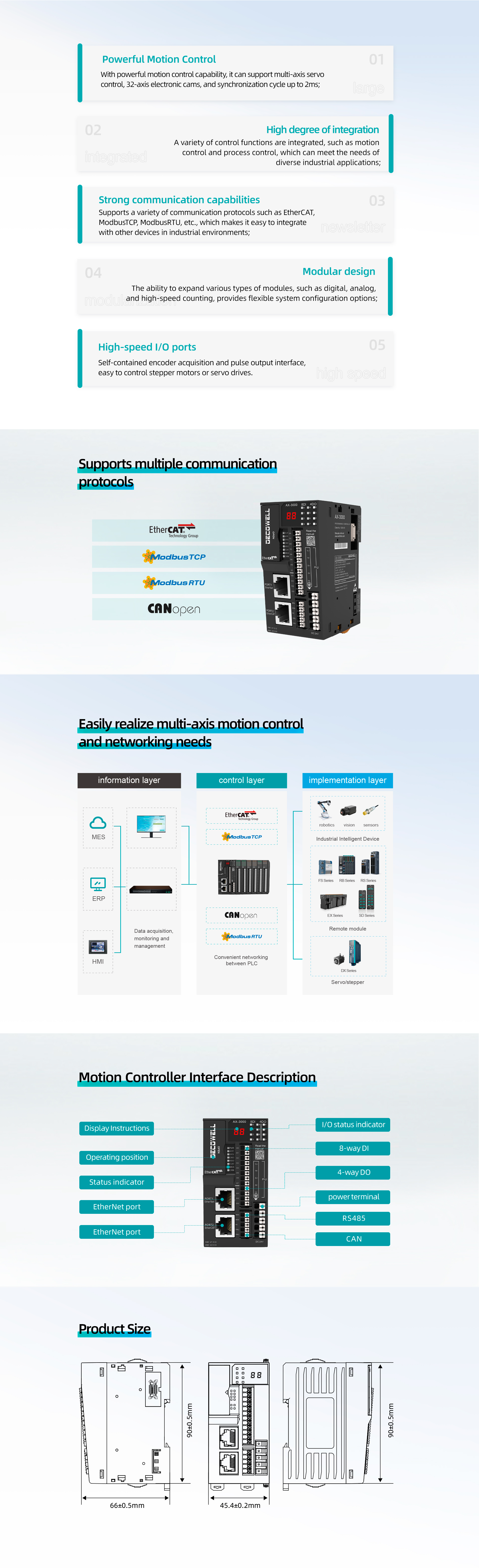
Now, let’s examine the principles behind the latest iterations of io controllers. These devices leverage cutting-edge technology, such as edge computing nodes and high-frequency switching, to enhance processing capabilities. They’re built with robust communication protocols, ensuring seamless integration with existing systems. Look, it’s simpler than you think—the integration of artificial intelligence further empowers these controllers to learn from experiences, reducing the likelihood of failures and improving operational efficiency.
Quantified User Benefits
The benefits of adopting an io controller are quantifiable. Users report up to a 30% increase in efficiency and, more importantly, a significant drop in downtime. Enhanced monitoring and control lead to savings that are not just financial but also in time and resource allocation. These innovations empower users to optimize their processes, underscoring the need to transition towards smarter solutions.
Conclusion: Actionable Evaluation Criteria
As you consider options in choosing solutions for your systems, always verify these three metrics: ① Reliability—does it perform consistently under load? ② Scalability—can it adapt to future demands? ③ Cost-effectiveness—will the initial investment pay off in performance gains? Answering these questions will guide you toward the right choice for your applications.
The Role of Digital IO Controllers
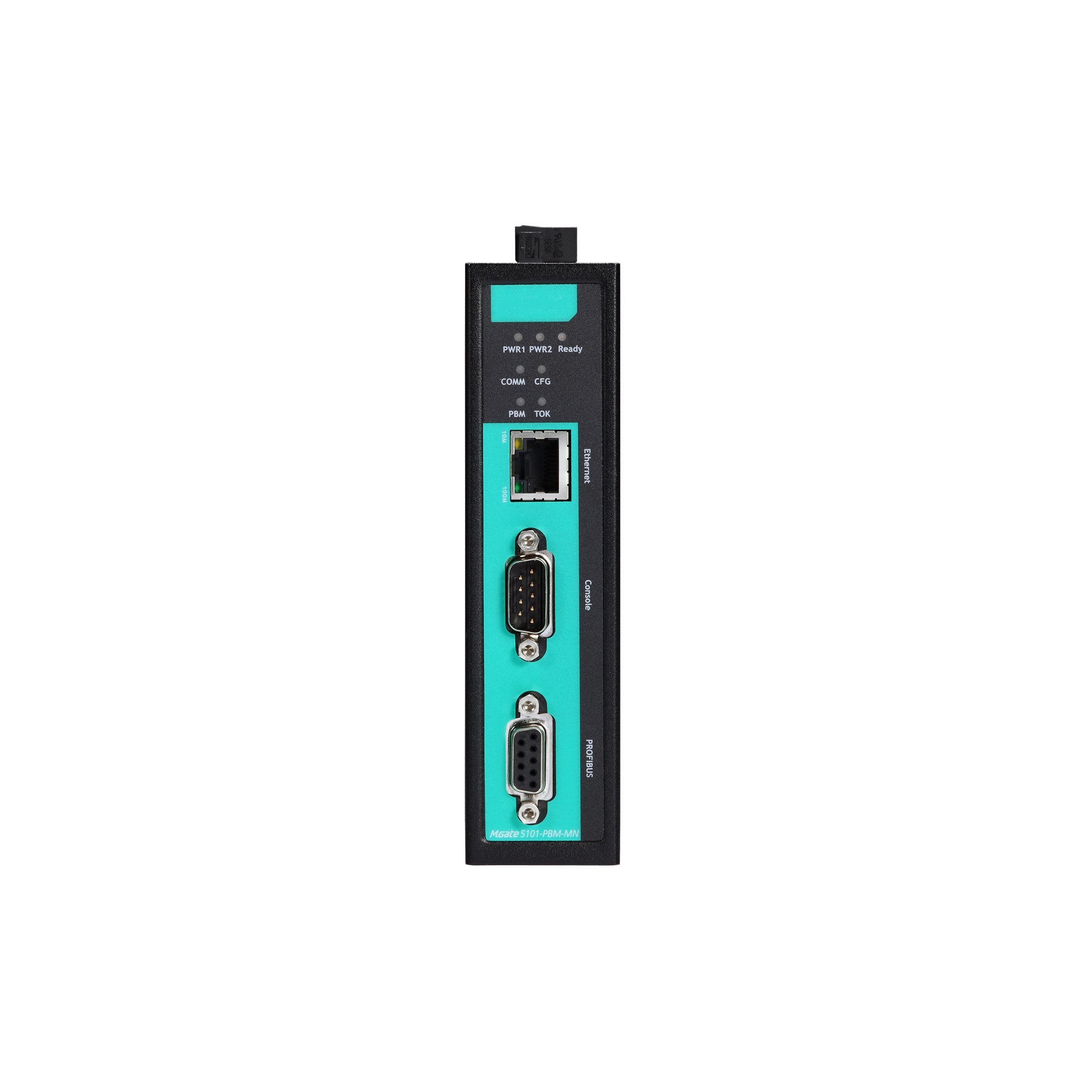
In today’s digital age, the role of a digital io controller has become indispensable. These controllers not only manage data flow but also integrate seamlessly with IoT devices, providing real-time monitoring that was previously unattainable. Their importance continues to grow as more industries pivot towards digital solutions, ensuring that your automation processes are equipped for the future.
The Importance of Input Output Controllers
The significance of an input output controller cannot be understated, particularly in complex systems where communication integrity is crucial. These controllers serve as the backbone of any automated process, facilitating the exchange of information between devices effectively. With their advanced processing capabilities, they enable precision and efficiency, tailoring responses based on the operational environment.
Conclusion: Trust and Reliability with DECOWELL
In summary, as industries move forward, embracing new technologies becomes essential. The advantages of updated io controllers are undeniable, offering improved performance and reliability. For those seeking solutions, look no further than DECOWELL—a manufacturer renowned for its quality and supply advantages, ensuring you receive the best in modern control technology.