
Moisture problems are more common than most people realize. From damp rooms and musty odors to rusted tools and mold growth, excess humidity can damage homes, products, and health.
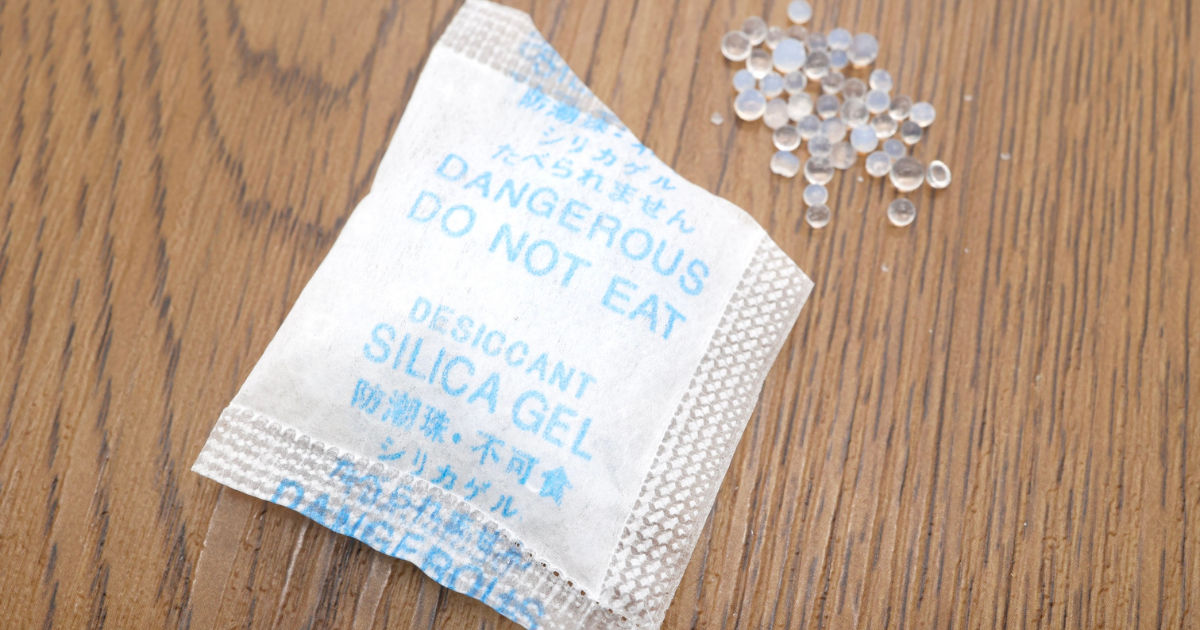
One of the most reliable and widely used solutions for these problems is calcium chloride desiccants. These powerful moisture absorbers are designed to pull water vapor from the air and lock it away, helping to create drier, safer, and more comfortable environments.
Calcium chloride desiccants work faster and more effectively than many traditional drying agents. Because of their strong hygroscopic nature, they are used in homes, warehouses, shipping containers, and industrial settings. This guide explains how moisture causes damage, how calcium chloride desiccants work, and why they are considered one of the best solutions for moisture control today.
Moisture and Humidity
Moisture refers to the presence of water vapor in the air. Humidity levels rise due to weather conditions, poor ventilation, water leaks, or everyday activities like cooking and bathing. When humidity becomes excessive, it leads to condensation on walls, windows, and surfaces.
High moisture levels can weaken building materials, damage furniture, and create an ideal environment for mold and bacteria. This is where calcium chloride desiccants become extremely valuable. They actively reduce humidity and help maintain balanced indoor air.
Common Moisture Problems in Homes and Buildings
Moisture issues can appear in many forms. Damp basements, foggy windows, peeling paint, and musty smells are all signs of excess humidity. Over time, these problems can become costly and harmful.
Mold growth is one of the most serious outcomes of uncontrolled moisture. Mold spores thrive in damp environments and can trigger allergies and breathing problems. Using calcium chloride desiccants helps prevent these conditions by absorbing moisture before it causes damage.
What Is Calcium Chloride?
Calcium chloride is a white, salt-like compound commonly used for moisture control, de-icing, and food preservation. It has a natural ability to attract and hold water molecules from the surrounding air.
Because of this property, calcium chloride is ideal for desiccant applications. Calcium chloride desiccants can absorb several times their weight in water, making them more effective than silica gel or clay-based alternatives.
How Calcium Chloride Desiccants Work
The science behind calcium chloride desiccants is simple yet powerful. Calcium chloride attracts water vapor from the air and dissolves into a liquid brine as it absorbs moisture. This process continues until the desiccant reaches its absorption limit.
Unlike some desiccants that only trap moisture on the surface, calcium chloride desiccants actively pull moisture into their structure. This makes them especially effective in high-humidity environments.
Why Calcium Chloride Is So Effective
One of the main reasons calcium chloride desiccants are so effective is their low equilibrium relative humidity. This means they continue absorbing moisture even when humidity levels are already reduced.
They also work across a wide temperature range, making them suitable for different climates. Whether used in hot coastal areas or cooler storage spaces, calcium chloride desiccants deliver consistent performance.
Types of Calcium Chloride Desiccants
There are several forms of calcium chloride desiccants available on the market. Each type is designed for specific applications and environments.
Packets and Pouches
Small packets containing calcium chloride desiccants are often used in closets, storage boxes, and small rooms. They are easy to place and replace.
Hanging Moisture Absorbers
These are commonly used in wardrobes and bathrooms. The calcium chloride desiccants inside collect moisture and drip it into a container below.
Bulk Desiccants
Industrial and commercial settings often use bulk calcium chloride desiccants for large-scale moisture control. These are ideal for warehouses and shipping containers.
Moisture Control in Homes
Homes are especially vulnerable to moisture buildup. Daily activities release water vapor into the air, and poor ventilation can trap it inside.
Using calcium chloride desiccants in basements, bathrooms, and kitchens helps maintain balanced humidity. They reduce condensation on windows and prevent musty odors from forming.
Basement Moisture Problems
Basements are naturally prone to dampness due to their location below ground level. Water seepage and poor airflow often make the problem worse.
Calcium chloride desiccants are a practical solution for basements. They absorb moisture continuously and help protect stored items, walls, and flooring from damage.
Protecting Furniture and Belongings
Wooden furniture, books, and clothing are sensitive to moisture. High humidity can cause warping, swelling, and mold growth.
Placing calcium chloride desiccants in storage areas keeps these items dry and well-preserved. This is especially useful for seasonal storage and long-term protection.
Industrial and Commercial Applications
Moisture control is critical in many industries. Excess humidity can damage raw materials, machinery, and finished products.
Calcium chloride desiccants are widely used in manufacturing plants, warehouses, and logistics centers. They help maintain product quality and reduce losses caused by moisture damage.
Shipping and Transportation
During shipping, goods are often exposed to changing temperatures and humidity levels. Condensation inside containers can lead to corrosion and spoilage.
Using calcium chloride desiccants in shipping containers helps prevent moisture buildup. They are especially effective for long-distance and overseas transport.
Food Storage and Safety
Moisture plays a major role in food spoilage. Excess humidity encourages bacterial growth and reduces shelf life.
Calcium chloride desiccants are used in food packaging and storage areas to control moisture. When used correctly, they help keep food dry and safe without direct contact.
Preventing Mold and Mildew
Mold and mildew thrive in damp conditions. Once they start growing, they spread quickly and become difficult to remove.
Regular use of calcium chloride desiccants reduces humidity levels that support mold growth. This makes them an effective preventive measure for homes and businesses.
Health Benefits of Moisture Control
High humidity can worsen respiratory problems and allergies. Dust mites and mold spores are more active in moist environments.
By using calcium chloride desiccants, indoor air becomes drier and healthier. This can lead to improved comfort and fewer health issues related to humidity.
Comparing Calcium Chloride to Other Desiccants
There are many types of desiccants available, but not all are equally effective. Silica gel, for example, works well in small enclosed spaces but has limited capacity.
Calcium chloride desiccants outperform many alternatives because of their high absorption rate and long-lasting action. They are especially useful in high-humidity conditions.
Environmental Considerations
Calcium chloride is generally considered safe when used properly. Many calcium chloride desiccants are designed to be disposable and easy to replace.
Some products are reusable or recyclable, depending on their design. Responsible use and disposal help minimize environmental impact.
Safety Tips When Using Calcium Chloride Desiccants
While calcium chloride desiccants are effective, they should be handled with care. Direct contact with skin or eyes should be avoided.
They should also be kept out of reach of children and pets. Always follow manufacturer instructions for safe and effective use.
Choosing the Right Desiccant for Your Needs
Selecting the right calcium chloride desiccants depends on the size of the space and the severity of the moisture problem. Small rooms require less capacity, while large areas may need multiple units.
Understanding your environment helps you choose the most effective solution and ensures long-term moisture control.
Maintenance and Replacement
Over time, calcium chloride desiccants become saturated and need to be replaced. Many products include clear containers that show when they are full.
Regular maintenance ensures continuous moisture control and prevents desiccant overflow or reduced effectiveness.
Long-Term Cost Benefits
Although calcium chloride desiccants require periodic replacement, they can save money in the long run. Preventing moisture damage reduces repair costs and protects valuable belongings.
Their efficiency and reliability make them a cost-effective solution for both residential and commercial use.
Moisture Control in Seasonal Changes
Humidity levels often change with the seasons. Summer months usually bring higher moisture levels, while winter condensation can also cause problems.
Using calcium chloride desiccants year-round helps adapt to these changes and maintain consistent indoor conditions.
The Future of Moisture Control Solutions
As awareness of indoor air quality grows, demand for effective moisture control continues to rise. Calcium chloride desiccants remain a trusted solution due to their proven performance.
Advancements in packaging and design are making them even more user-friendly and efficient for modern needs.
Conclusion
Moisture problems can affect comfort, health, and property value. From homes and offices to industrial facilities and shipping containers, excess humidity poses serious challenges. Calcium chloride desiccants offer a powerful and practical solution to these issues.
Their ability to absorb large amounts of moisture, work in various conditions, and provide long-lasting protection makes them one of the most effective desiccants available. By using calcium chloride desiccants correctly, it is possible to prevent mold, protect belongings, and create healthier indoor environments.
Whether you are dealing with a damp basement, protecting valuable goods, or managing industrial humidity, calcium chloride desiccants provide a reliable and proven method for moisture control. Their versatility, efficiency, and ease of use make them an essential tool in solving moisture issues for the long term.