

Good mental health is essential for a fulfilling and productive life, but did you know that the quality of the air you breathe can significantly impact your mental well-being? While much attention has been given to the physical health effects of air pollution, research is increasingly revealing connections between air quality and mental health. Cleaner air isn’t just good for your lungs—it could be beneficial for your mind, too. In this article, we’ll explore the ways air quality affects mental health, the potential risks of polluted air, and how air purifiers can play a role in maintaining a healthier home environment.
1. The Link Between Air Quality and Mental Health
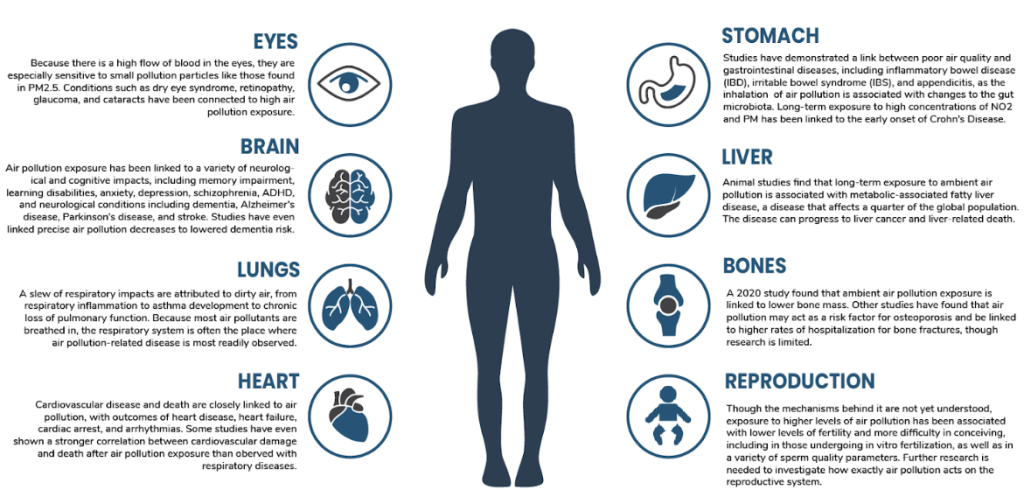
Studies have shown that poor air quality, particularly in urban areas, can have a negative impact on mental health. Air pollution contains harmful particles and gases, such as particulate matter (PM2.5), nitrogen dioxide (NO2), and volatile organic compounds (VOCs), which can penetrate the lungs and enter the bloodstream. Once in the bloodstream, these pollutants can reach the brain, potentially causing inflammation and oxidative stress, which are linked to mental health disorders such as depression and anxiety.
In fact, research published by the National Institutes of Health (NIH) has found correlations between high pollution levels and increased rates of depression, anxiety, and cognitive decline.
2. Effects of Air Pollution on Mental Health
Air pollution can affect mental health in a number of ways, including:
- Increased Risk of Depression: Exposure to high levels of air pollution has been associated with a higher risk of developing depression, especially in individuals living in urban or industrial areas.
- Cognitive Decline: Long-term exposure to pollutants like PM2.5 may accelerate cognitive decline, increasing the risk of neurodegenerative diseases like Alzheimer’s.
- Anxiety and Stress: Polluted air can elevate stress levels and contribute to anxiety disorders, particularly in people who are already vulnerable or have pre-existing conditions.
- Sleep Disruptions: Poor air quality can interfere with sleep patterns, which in turn impacts mental health, as sleep is essential for emotional regulation and cognitive functioning.
3. Indoor Air Quality and Its Importance for Mental Well-Being
Indoor air pollution can sometimes be worse than outdoor pollution, as many homes contain sources of contaminants, such as:
- Volatile Organic Compounds (VOCs): These are emitted by products like paints, cleaning supplies, and furniture. VOC exposure can contribute to headaches, fatigue, and symptoms that impact mental clarity.
- Mold and Mildew: Damp environments promote mold growth, which releases spores and toxins into the air. Exposure to mold can lead to respiratory issues, fatigue, and even cognitive symptoms.
- Pet Dander and Dust Mites: Common allergens, such as pet dander and dust mites, can trigger asthma and allergies, adding to the physical and mental discomfort.
- Carbon Dioxide (CO2): High CO2 levels, common in poorly ventilated indoor spaces, can lead to fatigue and impair concentration, potentially affecting mood and productivity.
Indoor air quality is particularly important since we spend the majority of our time indoors. For individuals working from home or spending prolonged hours inside, maintaining clean air is essential for mental and physical health.
4. How Air Purifiers Can Improve Mental Health
Investing in a quality air purifier can help reduce indoor air pollutants and promote a healthier living environment. Here’s how air purifiers can support mental well-being:
- Reduction of Harmful Particles: Air purifiers with HEPA filters are highly effective at trapping airborne particles, including dust, allergens, and mold spores, which can contribute to mental and physical symptoms.
- Odor Control and VOC Reduction: Many air purifiers come with activated carbon filters that absorb odors and VOCs, creating a fresher, less toxic indoor environment.
- Improved Sleep Quality: By removing irritants and allergens, air purifiers can contribute to better sleep quality, which in turn supports emotional regulation, reduces anxiety, and improves cognitive functioning.
- Cleaner Air for Cognitive Clarity: Reducing indoor air pollution can help enhance focus and mental clarity, leading to greater productivity and a more positive mood.
For pet owners, it’s worth noting that air purifiers can help reduce pet-related allergens like dander, which also contributes to cleaner indoor air. You can find more tips for maintaining indoor air quality in our Guide to Air Purifiers for Pet Owners.
5. Tips for Maintaining Good Air Quality for Mental Health
In addition to using an air purifier, there are other steps you can take to maintain good indoor EcoQuest fresh air devices and support mental health:
- Ventilate Regularly: Open windows when possible to let in fresh air and reduce CO2 buildup indoors.
- Choose Non-Toxic Cleaning Products: Look for natural, eco-friendly cleaning products that emit fewer VOCs.
- Avoid Smoking Indoors: Tobacco smoke is a major source of indoor air pollution, so always smoke outside if you or others in the household smoke.
- Monitor Humidity Levels: Keep indoor humidity between 30-50% to reduce mold growth and minimize dust mites.
- Add Indoor Plants: Certain indoor plants can help improve air quality by absorbing pollutants, though they shouldn’t be relied upon solely for purification.
For a wide range of air purifiers suited for various needs, visit our air purifier collection.
Conclusion
The air we breathe plays a crucial role in our overall health, and that includes mental well-being. Clean air can reduce the risk of depression, anxiety, and cognitive decline while improving sleep and overall mood. For pet owners or those living in polluted areas, air purifiers are a powerful tool in creating a healthier and happier indoor environment. By maintaining good air quality and investing in the right air purifier, you can make a positive impact on both your physical and mental health.