
A Powder Packing Machine is one of the most important pieces of equipment in modern food and industrial packaging, especially when it comes to flour packaging. In this detailed guide, we will explore what a flour packing machine is, how it works, its types, benefits, components, and real-world applications.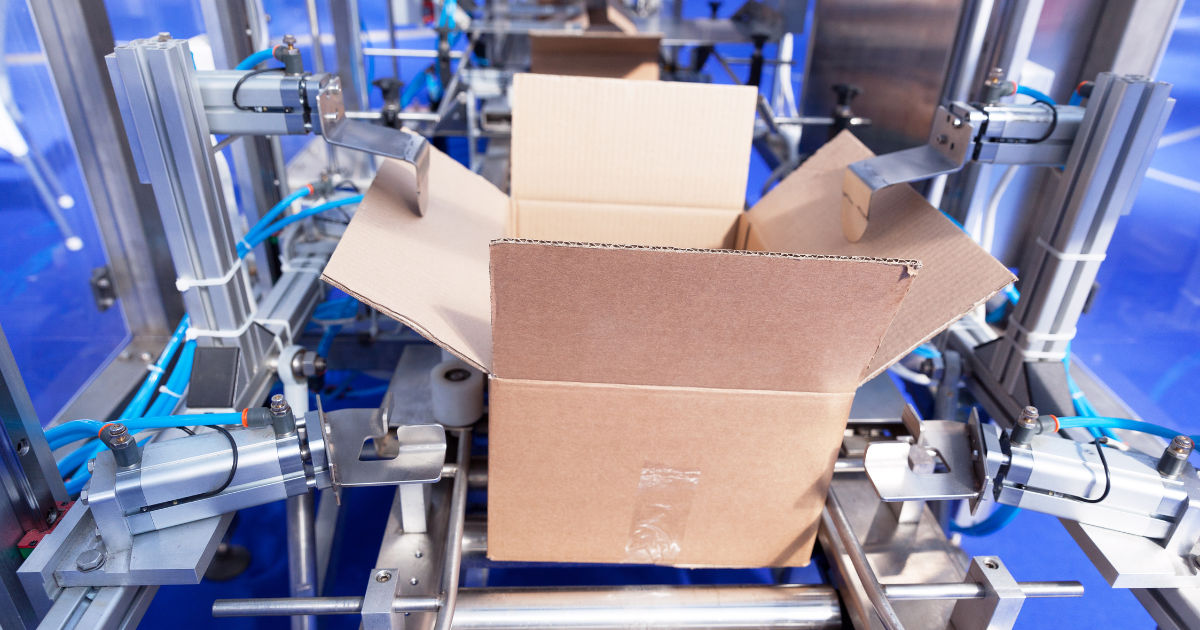
A Powder Packing Machine plays a key role in ensuring accurate, fast, and hygienic packaging of flour in different industries. From small businesses to large-scale factories, the Powder Packing Machine has become essential for efficiency and consistency. Understanding how a Powder Packing Machine works can help manufacturers improve productivity and reduce waste.
Introduction to Flour Packing Machines
A flour packing machine is a specialized device designed to fill and pack flour into bags, pouches, or containers with high precision. Flour is a fine powder that requires careful handling to avoid dust, wastage, and uneven filling. That is why a Powder Packing Machine is used to automate this process.
In industries where food safety and accuracy are important, manual packing is not enough. A Powder Packing Machine ensures consistent weight, better hygiene, and faster production speed. Whether it is wheat flour, rice flour, or any other powdered product, this machine simplifies the entire process.
A modern Powder Packing Machine is widely used in food factories, supermarkets, and packaging plants because it reduces labor costs and improves efficiency. It also ensures that every pack of flour has the same weight and quality.
What Is a Flour Packing Machine?
A flour packing machine is an automated or semi-automated system designed to measure, fill, and seal flour into packaging materials. It is a type of Powder Packing Machine specifically optimized for fine powdered materials like flour.
The main purpose of a Powder Packing Machine is to ensure that flour is packed accurately without spillage or contamination. It uses advanced sensors and weighing systems to control the filling process.
A typical flour packing machine includes:
- A feeding system
- Weighing system
- Filling mechanism
- Sealing unit
Each Powder Packing Machine is designed to handle different production capacities depending on industrial needs. Some are small and used in local mills, while others are large and fully automated for industrial use.
How Does a Flour Packing Machine Work?
The working principle of a flour packing machine is simple but highly efficient. A Powder Packing Machine follows a step-by-step process:
1. Feeding the Flour
The flour is first loaded into a storage hopper. A Powder Packing Machine ensures smooth feeding without clogging or overflow.
2. Measuring the Weight
The machine uses a digital weighing system to measure the correct quantity of flour. A Powder Packing Machine ensures each packet has the exact same weight.
3. Filling the Bags
Once measured, the flour is released into packaging bags or pouches. A Powder Packing Machine controls the flow to avoid dust and waste.
4. Sealing the Package
After filling, the machine seals the bags using heat or stitching methods. A Powder Packing Machine ensures airtight packaging to maintain freshness.
5. Output and Collection
Finally, the packed flour is collected for storage or transportation. A Powder Packing Machine ensures a smooth and continuous output.
Types of Flour Packing Machines
There are different types of machines depending on production needs. Each Powder Packing Machine is designed for specific applications.
Automatic Powder Packing Machine
This type is fully automated and requires minimal human intervention. A Powder Packing Machine of this type is used in large factories.
Semi-Automatic Machine
This machine requires some manual input but still automates most processes. A Powder Packing Machine in this category is suitable for medium businesses.
Vertical Form Fill Seal (VFFS) Machine
This machine forms the bag, fills it, and seals it in a vertical process. A Powder Packing Machine like this is highly efficient and space-saving.
Auger Filling Machine
This type uses a screw mechanism to measure and fill flour. A Powder Packing Machine with auger filling is ideal for fine powders like flour.
Key Components of a Flour Packing Machine
A flour packing system consists of several important components. Every Powder Packing Machine includes the following parts:
Hopper
This is where flour is stored before packaging begins. A Powder Packing Machine uses gravity or mechanical systems to move flour from the hopper.
Auger Screw
This component helps in precise measurement and controlled flow. A Powder Packing Machine depends on it for accuracy.
Weighing System
It ensures that each packet contains the correct amount of flour. A Powder Packing Machine uses digital sensors for precision.
Control Panel
Operators use this interface to control the machine. A Powder Packing Machine often includes a touchscreen system.
Sealing Unit
This seals the package to keep flour fresh. A Powder Packing Machine ensures strong and airtight sealing.
Benefits of Using a Flour Packing Machine
A flour packing machine offers many advantages for industries. A Powder Packing Machine improves both productivity and quality.
High Efficiency
A Powder Packing Machine can pack hundreds of bags per hour, saving time and labor costs.
Accuracy
Each packet has the exact same weight because a Powder Packing Machine uses advanced measurement systems.
Hygiene and Safety
Since the process is automated, human contact is reduced. A Powder Packing Machine ensures hygienic packaging.
Reduced Waste
Spillage and product loss are minimized. A Powder Packing Machine ensures precise filling.
Cost Savings
Over time, a Powder Packing Machine reduces operational costs by improving efficiency.
Applications of Flour Packing Machines
Flour packing machines are used in various industries. A Powder Packing Machine is not limited to just flour but also other powders.
Food Industry
Used for wheat flour, rice flour, and other edible powders. A Powder Packing Machine ensures food-grade packaging.
Agricultural Sector
Used for grain-based powders and feed products. A Powder Packing Machine helps in bulk packaging.
Industrial Use
Used for chemical powders and construction materials. A Powder Packing Machine ensures safe handling.
Small Businesses
Local mills and shops use compact machines. A Powder Packing Machine helps them compete with large factories.
Maintenance of Flour Packing Machines
Proper maintenance ensures long life and performance. A Powder Packing Machine must be cleaned and checked regularly.
Daily Cleaning
Remove leftover flour to prevent clogging. A Powder Packing Machine should always be kept clean.
Lubrication
Moving parts must be lubricated regularly. A Powder Packing Machine works smoothly with proper care.
Calibration
Weighing systems should be calibrated. A Powder Packing Machine depends on accuracy.
Inspection
Check for wear and tear in components. A Powder Packing Machine should be inspected regularly.
Common Problems and Solutions
Even a well-designed machine can face issues. A Powder Packing Machine may experience:
Uneven Filling
Caused by calibration errors. A Powder Packing Machine needs proper adjustment.
Blockages
Flour may clog the system. A Powder Packing Machine requires regular cleaning.
Sealing Issues
Weak sealing can cause leakage. A Powder Packing Machine needs temperature control checks.
Sensor Errors
Faulty sensors may affect accuracy. A Powder Packing Machine should be serviced regularly.
Future of Flour Packing Technology
Technology is improving rapidly. A Powder Packing Machine is becoming smarter and more efficient.
Automation
Future machines will require almost no human input. A Powder Packing Machine will become fully AI-controlled.
Smart Sensors
Advanced sensors will improve accuracy. A Powder Packing Machine will reduce errors further.
Eco-Friendly Packaging
Machines will support biodegradable materials. A Powder Packing Machine will help reduce environmental impact.
How to Choose the Right Flour Packing Machine
Choosing the right machine depends on needs. A Powder Packing Machine should be selected carefully.
Production Capacity
Choose based on daily output requirements. A Powder Packing Machine must match production needs.
Budget
Different machines come at different prices. A Powder Packing Machine should fit your budget.
Automation Level
Decide between manual, semi-auto, or full auto. A Powder Packing Machine should match your workflow.
Material Type
Ensure compatibility with flour type. A Powder Packing Machine must handle fine powders efficiently.
Conclusion
A flour packing machine is a vital tool in modern packaging industries. A Powder Packing Machine improves efficiency, accuracy, and hygiene in flour packaging processes. From small businesses to large factories, a Powder Packing Machine ensures consistent quality and reduces manual effort.
With advancements in technology, a Powder Packing Machine is becoming more automated and intelligent, making production faster and more reliable. Whether you are starting a new business or upgrading your production line, investing in a Powder Packing Machine is a smart decision for long-term success.
In summary, the Powder Packing Machine is not just a machine but a complete solution for modern flour packaging needs, offering precision, speed, and cost-effectiveness.